EN
EN



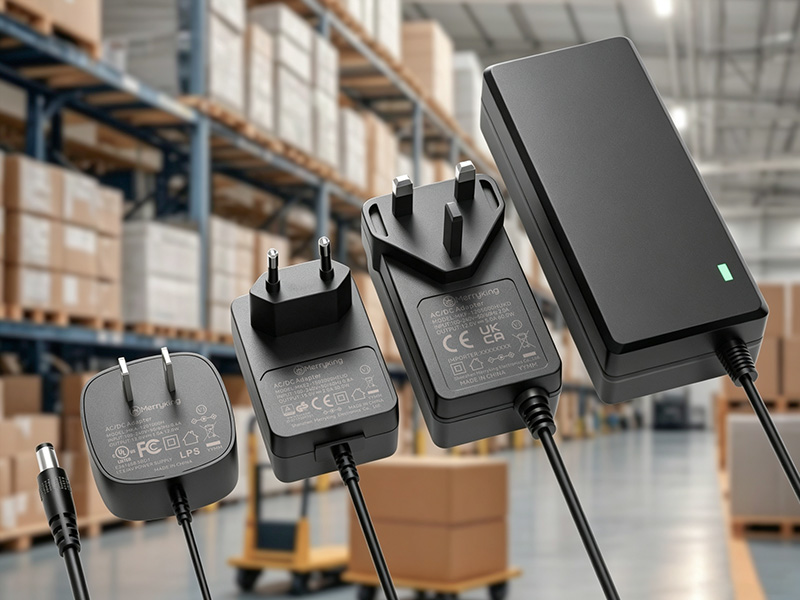
A power adapter depends on a chain of components: the control IC, transformer core and winding wire, MOSFETs, capacitors, connectors, and the plastic housing. Any of these can become scarce, and electronics markets have seen severe shortages where control ICs and power semiconductors were allocated rather than freely sold. When a factory relies on a single supplier for a critical component, a shortage there stops the whole production line. Resilient factories maintain approved alternative suppliers for key components and validate the alternatives through the same testing that the primary parts receive, so a switch does not require a full redesign. Buyers should ask which components are single-sourced and how the factory qualifies second sources, because this directly affects your delivery risk.
Supply chain risk is also managed through inventory. Factories keep raw material stock for fast-moving standard products, and they can hold semi-finished or finished goods for forecasted orders. The depth of that buffer depends on the factory's policy and your forecast commitment. A factory that works only with just-in-time procurement has little protection against a sudden market shortage, while one that stocks critical components can keep production running. For custom projects, the situation is different: components are often procured per order, so the risk transfers to longer lead times and fixed quantity commitments. Buyers can reduce risk by sharing rolling forecasts, confirming component procurement status at order placement, and agreeing on a buffer stock plan for high-volume repeat models.
Even with components available, a factory can fail on schedule if capacity is misallocated. Peak seasons, multiple customers competing for the same lines, and last-minute order changes all pressure delivery. A mature AC adapter factory manages this with a clear production schedule, dedicated lines for volume models, and a policy on how rush orders are handled without disrupting confirmed commitments. Lead time should be stated in the quotation and confirmed after order placement, because the realistic number depends on current line load. Buyers should also ask how the factory communicates delays: a weekly schedule report, a delivery milestone in the purchase order, or a formal notice process when a risk is identified. Transparent communication is the cheapest risk mitigation a factory can offer.
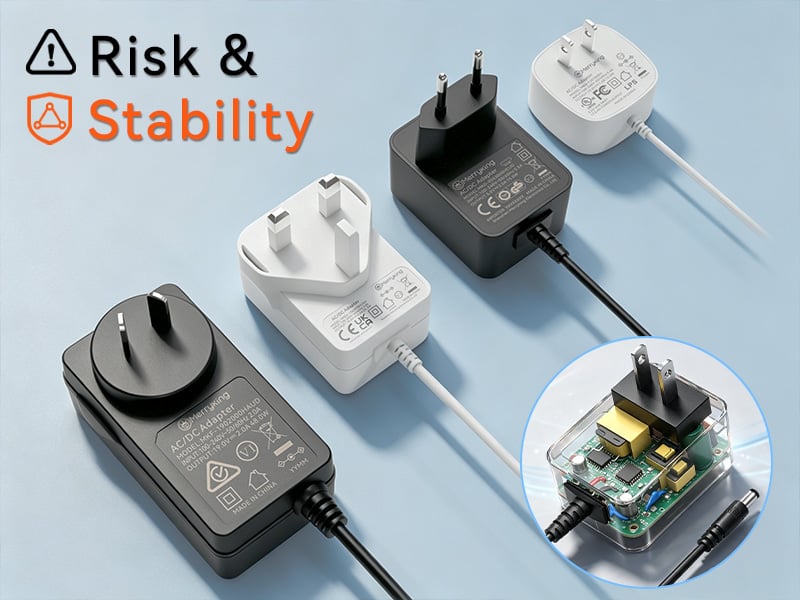
Supply chain risk is not only about delivery dates; it is also about the quality of everything that enters the production line. A defective capacitor lot or a substandard transformer batch can create failures that appear only after the adapters reach your customers, which makes incoming inspection a critical control point. A disciplined factory tests incoming components, rejects defective lots before they reach the line, and records the results so problems can be traced to a specific supplier and date. The same logic applies to the final product: A properly defined aging test can help screen early failures, but its effectiveness depends on load, duration, temperature, and acceptance criteria, and AQL sampling before shipment verifies the batch statistically. When you evaluate a factory, ask how incoming material quality is monitored and whether you can see the rejection records. The factories that protect their buyers from quality surprises are usually the ones that protect themselves at the incoming gate, because they never let a defective component become a finished adapter in the first place.
During a period when power control ICs were in short supply, a distributor of desktop adapters faced a dilemma. Its existing factory could not secure enough ICs for the next order and quoted a twelve-week delay. The distributor's backup factory, which had qualified a second-source IC months earlier, kept the same delivery commitment because the alternative component had already passed the same aging and safety tests. The distributor redirected the order, avoided a stock-out at its own customers, and later moved a share of its volume to the more resilient factory. This scenario illustrates a practical rule: the factory you can rely on during a shortage is the one that prepared for it before the shortage started, by qualifying alternative components, holding buffer stock, and keeping honest communication with buyers.
Before you commit to an AC adapter factory, ask targeted questions about its supply chain practices. Request the list of critical components and whether second sources are qualified for each. Ask how raw material stock is managed and whether buffer stock is available for your forecast. Inquire about the factory's current line load and how it prioritizes confirmed orders when capacity tightens. Check how quality problems in incoming components are handled, because a factory that tests incoming parts and rejects defective lots protects your shipment from hidden failures. Finally, confirm the factory's policy on delivery updates and how early it notifies buyers of a schedule risk. A factory that answers these questions with documented procedures is managing supply chain risk in a way that protects your orders, not just its own margins.
Why do adapter shipments get delayed even when the factory has capacity?
Delays usually come from component availability rather than production capacity. A single critical part such as a control IC or power MOSFET can stop an entire line. Factories with qualified second sources and buffer stock are far less likely to miss a shipment.
How can I protect my orders against supply chain disruptions?
Share a rolling forecast with the factory, confirm component procurement status when you place the order, and consider buffer stock agreements for high-volume models. Diversifying across two qualified factories also reduces your exposure to a single point of failure.
What should I check in a factory audit regarding supply chain?
Look at the approved supplier list, second-source qualification records, raw material inventory levels, and the factory's procedure for handling component shortages. A documented process is stronger evidence than a verbal promise of reliability.