EN
EN



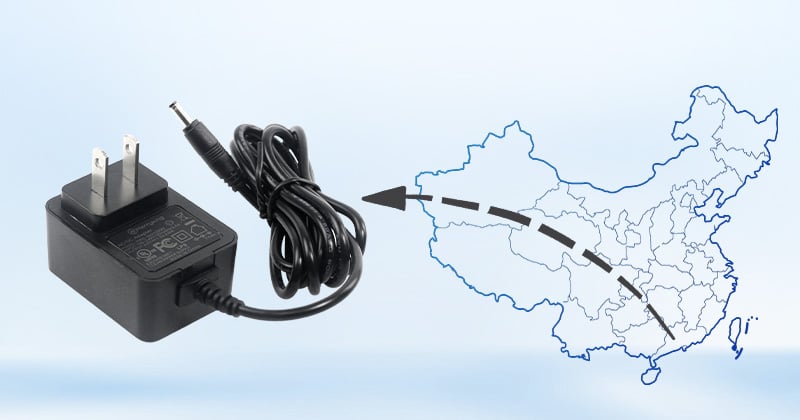
Sourcing power adapters from China has become a common strategy for global electronics brands, distributors, and OEM manufacturers. China offers competitive pricing, mature manufacturing ecosystems, and strong supply chain capabilities. However, quality issues can arise if buyers do not understand how to properly evaluate suppliers, verify certifications, and implement strict quality control processes.
Based on years of experience working with adapter manufacturers and reviewing laboratory testing procedures, buyers who follow structured sourcing practices can significantly reduce risks. Companies with in-house testing facilities and strict quality management systems, such as those demonstrated in professional testing environments like the laboratory shown on Merryking’s facility page, illustrate how reliable manufacturers validate product safety and performance before shipment.
Below are several key strategies that can help businesses avoid quality issues when sourcing power adapters from China.
One of the most overlooked steps when sourcing power adapters from China is verifying the supplier’s internal testing capabilities. A professional manufacturer should operate a well-equipped laboratory capable of performing safety, electrical, and environmental tests.
For example, reliable adapter manufacturers usually conduct tests such as:
In real sourcing projects, many buyers focus mainly on pricing or production capacity. However, during one sourcing consultation with a European electronics distributor, we found that their previous supplier lacked proper burn-in testing equipment. As a result, the adapters had a high failure rate after several weeks of use.
Manufacturers that maintain professional laboratories—like those equipped for reliability verification, electrical safety checks, and durability testing—can significantly reduce the probability of defective products reaching customers. A transparent testing process demonstrates that the supplier takes product safety and reliability seriously.
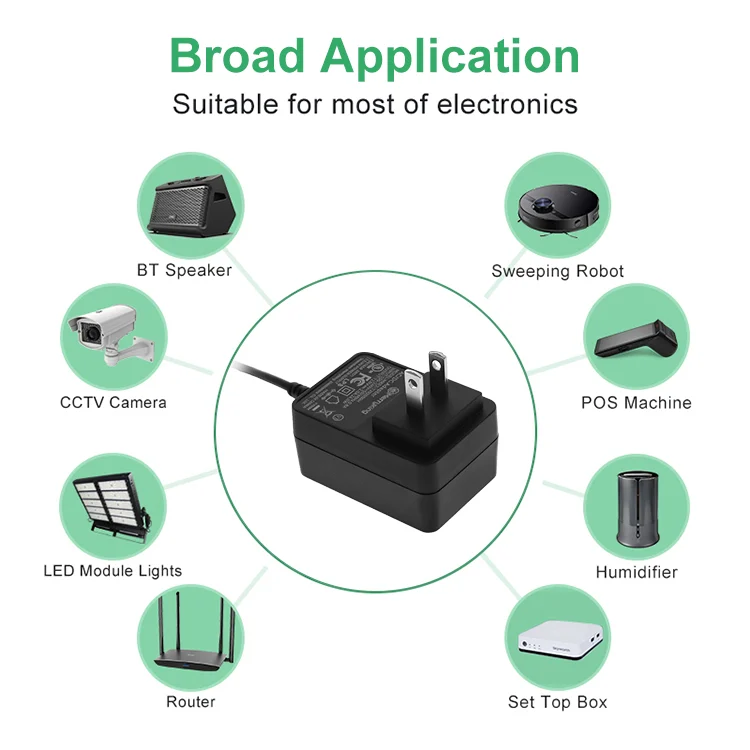
Another critical step when sourcing power adapters from China is verifying whether the supplier complies with international safety certifications. Power adapters are electrical products, and they must meet strict regulatory requirements in different markets.
Depending on the destination market, common certifications include:
According to guidelines from the International Electrotechnical Commission (IEC), electrical safety testing ensures that power supply devices meet internationally recognized safety standards. These standards help prevent hazards such as overheating, electrical shock, or fire risks.
Professional manufacturers typically design their adapters with certification requirements in mind from the early product development stage. When sourcing power adapters from China, buyers should always request official certification reports, not just logos printed on the product housing.
Verifying certification numbers through official regulatory databases is also a recommended practice to ensure authenticity.
Even when working with experienced suppliers, sample testing remains a crucial step when sourcing power adapters from China. Pre-production samples allow buyers to verify product performance before committing to large orders.
A practical sourcing process usually includes:
For instance, one consumer electronics company discovered during sample testing that the adapter casing material softened under high temperature conditions. Without early testing, this issue could have led to product recalls.
In addition to laboratory testing, third-party inspection services can conduct pre-shipment inspections. These inspections often include random sampling, visual quality checks, packaging verification, and electrical performance testing.
Organizations such as SGS, TÜV, and Intertek are widely recognized authorities that provide independent testing and inspection services. Their reports help buyers verify that products meet required specifications before shipment.
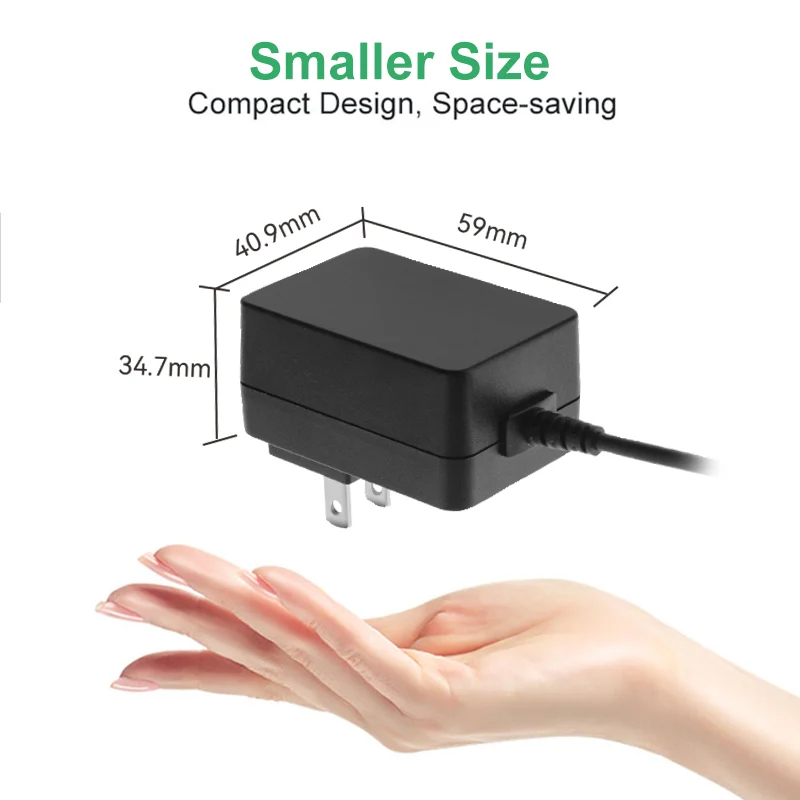
Quality problems do not always originate from manufacturing defects; many issues actually begin in the design stage. When sourcing power adapters from China, evaluating the engineering capability of the supplier is just as important as reviewing their production capacity.
A qualified adapter manufacturer should have experienced electrical engineers who can:
In modern adapter production, design verification testing (DVT) and reliability validation testing (RVT) are essential steps before mass production begins. Manufacturers that invest in professional laboratories can perform these tests internally, improving both product reliability and development efficiency.
Additionally, companies with strong R&D teams are more capable of customizing adapters for specialized applications such as medical equipment, consumer electronics, networking devices, and industrial electronics.
Finally, building a long-term relationship with a transparent and technically capable manufacturer is the most effective way to avoid quality issues when sourcing power adapters from China.
Reliable manufacturers typically demonstrate several characteristics:
Suppliers that invest in advanced laboratory facilities and strict testing procedures demonstrate their commitment to product reliability and customer safety. Over time, long-term partnerships allow buyers and manufacturers to continuously optimize product design, improve quality control processes, and reduce sourcing risks.
For companies entering global markets, choosing a supplier with strong engineering capabilities, verified certifications, and professional testing laboratories can make the difference between a successful product launch and costly quality failures.