EN
EN



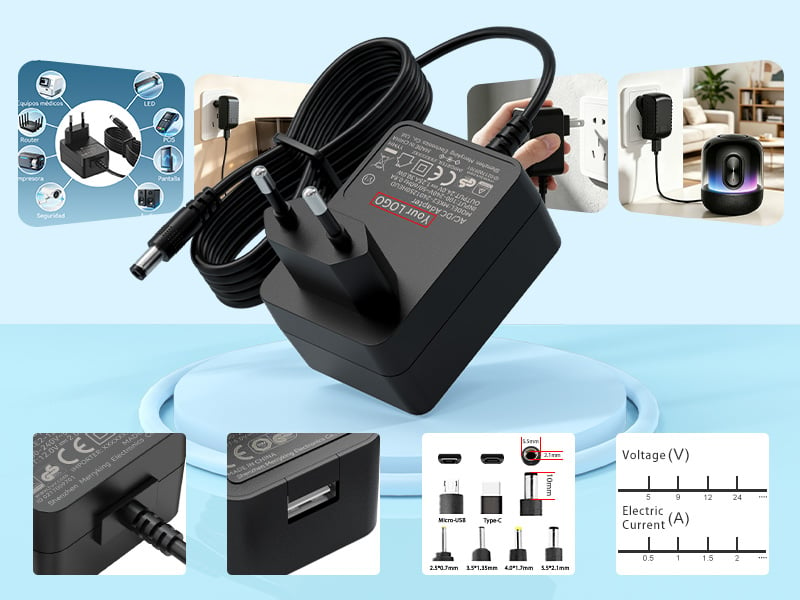
Pirmais solis jebkurā pielāgots strāvas adapters projekts ir pilnīga elektriskā specifikācija. Jums nepieciešams ieejas sprieguma diapazons, parasti 100–240 V~ ar 50/60 Hz pasaules mēroga lietošanai, izejas spriegums un strāva, kā arī precīzs jaudas reitings vatos. Izlemiet, vai jūsu ierīcei nepieciešama regulēta izeja, jo dažas slodzes, piemēram, sensori, motoru vadības ierīces un sakaru moduļi, ir jutīgas pret sprieguma svārstībām. Arī definējiet vajadzīgās aizsardzības funkcijas. Adaptierīču nozarē bieži sastopamās aizsardzības funkcijas ir īssavienojuma aizsardzība, pārsprieguma aizsardzība, pārstrāvas aizsardzība un pārkarsēšanas aizsardzība. Ja jūsu ierīce atrodas tuvu siltuma avotam vai darbojas 24 stundas dienā, projektēšanas posmā jautājiet rūpnīcai par jaudas samazināšanas uzvedību un termisko veiktspēju, nevis atklājiet to pēc ieviešanas.
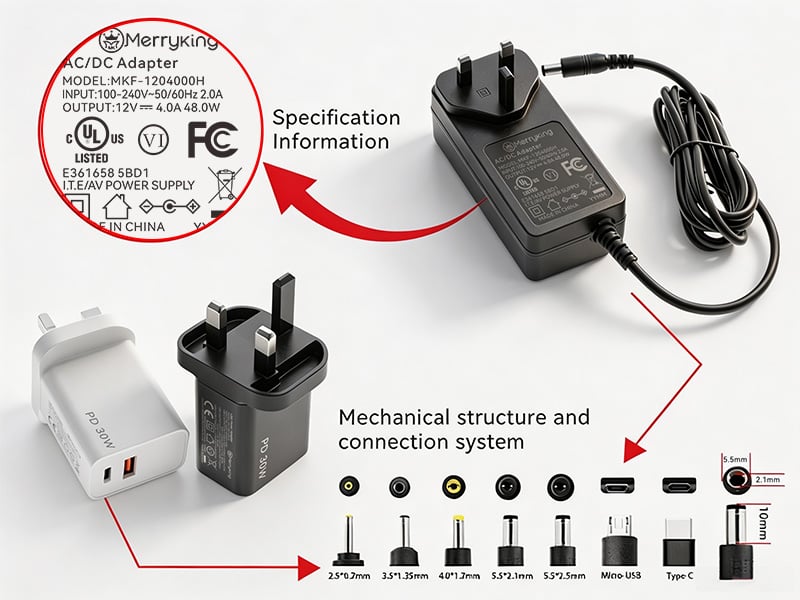
Kad elektriskā darbība ir noteikta, mehāniskais dizains nosaka, kā adapters iederas jūsu produktā un iepakojumā. Jums jāizvēlas starp sienas montāžas adapteru, kas tiek ievietots tieši kontaktligzdā, un galda adapteru, kas pieslēgts ar kabeli, jo abiem veidiem ir atšķirīgas termiskās, izmēru un sertifikācijas sekas. Izvades savienotājs ir vienlīdz svarīgs: cilindriskais kontaktdakšas, USB-C un pielāgotie savienotāju varianti visi ietekmē uzticamību, lietotāja pieredzi un to, vai kabelis var tikt bloķēts vai aizsargāts pret mehāniskām slodzēm. A pielāgots strāvas adapters arī nepieciešams korpusa dizains, kas atbilst jūsu zīmolei, ar iespējām, piemēram, logotipa zīmoga uzklāšana ar silk-screen printēšanu, ilgtspējīgu marķējumu ar lāzera gravēšanu un krāsu atbilstība jūsu produkta līnijai. Dalieties ar rūpnīcu savos korpusa zīmējumos un savienotāju prasībās jau agrīnā posmā, jo formas izstrāde un mehānisko komponentu piegādes laiks bieži pārsniedz elektrisko dizainu.
Atbilstība nav papildu apsvērums pielāgotā strādātspējas pārveidotājs projekts. Drošības sertifikācija un elektromagnētiskās savietojamības (EMC) testēšana var pagarināt grafiku par nedēļām un ievērojami palielināt izmaksas, tāpēc jums vajadzētu apstiprināt mērķa tirgus un nepieciešamos sertifikātus pirms dizaina noslēgšanas. Ziemeļamerikā parasti nepieciešami UL vai cUL un FCC sertifikāti, Eiropā — CE un UKCA, citos reģionos — PSE, KC, SAA, BIS vai CCC. Medicīnas aprīkojumam adapterim var būt nepieciešama novērtēšana saskaņā ar IEC 60601-1 un saistītajām EMC prasībām, ņemot vērā gala ierīces klasifikāciju, pacienta vidi un nepieciešamo MOOP/MOPP izolāciju. Ražotne, kas jau ir ieguvusi sertifikātus līdzīgiem platformām, var atkārtoti izmantot testu datus un saīsināt sertifikācijas ciklu, kas ir viena no iemesliem, kādēļ pircēji dod priekšroku piegādātājiem ar plašu sertifikāciju klāstu, attīstot pielāgots strāvas adapters .
Apkārtējās vides tehnoloģiju startupa izstrādāja gudrās mājas centru, kam nepieciešams kompakts 24 V adapteris ar bloķējošu cilindrisku savienotāju un noteiktu zīmolu uz silikona virsmas. Komanda vispirms izmēģināja standarta 24 V adapteri, taču savienotājs nebija mehāniski drošs, un tukšgaitas jaudas patēriņš pārsniedza enerģijas mērķi. Rūpnīca ieteica dizainu, kas balstīts uz esošu sertificētu platformu: tā pati transformatora un vadības shēma, bet modificēts korpuss, bloķējošs savienotājs un zemāks gaidīšanas režīma patēriņš. Tā kā platformai jau bija CE un UL sertifikāti, modificētajam modelim bija nepieciešama tikai papildu testēšana jaunajam korpusam un savienotājam, kas ievērojami saīsināja sertifikācijas grafiku. Startupa dažu nedēļu laikā saņēma inženierijas paraugus, pārbaudīja tos pret centra slodzes profilu un pārgāja uz ražošanu, izmantojot skaidru specifikāciju dokumentu. Šis scenārijs ir tipisks tam, kā pielāgots strāvas adapters projekts izdodas, ja dizains atkārtoti izmanto pierādītus būvblokus.
Pirms dizaina tiek galīgi apstiprināts, norīkojiet tehnisku pārskatu ar rūpnīcas inženieri. Iet cauri elektriskajai specifikācijai rindiņa pa rindiņai un apstipriniet, ka katrs parametrs ir sasniedzams izvēlētajā platformā, jo dažas kombinācijas — piemēram, ļoti augsts izvades spriegums kopā ar ļoti zemu strāvu — var prasīt citu transformatoru vai vadības ierīci. Pārskatiet aizsardzības sliekšņus un apstipriniet, ka tie atbilst jūsu ierīces iespējamajiem darbības traucējumiem; pārbaudiet arī termiskās plānošanas risinājumus, īpaši tad, ja adapteris darbosies noslēgtā telpā vai augstā apkājēs temperatūrā. Inženieris var arī uzsvērt priekšmetus, kas saistīti ar piegādes laiku, piemēram, savienotāju, ko var iegādāties tikai ilgākā iepirkumu cikla laikā, vai korpusa krāsu, kas kavē veidņu izgatavošanu. Šis pārskats ir lētākais veids, kā identificēt dizaina konfliktus pirms rīku izgatavošanas uzsākšanas, un šeit arī kļūst redzama rūpnīcas pieredze: rūpnīca, kas pārskata laikā uzdod pareizos jautājumus, ir tāda, kas saprot riskus, kas saistīti ar dizainu, kuru tā drīzumā sāks ražot.
Pēc tam, kad dizains ir apstiprināts, rūpnīca izgatavo inženierijas paraugus jūsu validācijai. Pārbaudiet paraugus pret jūsu slodzes profilu, izmēriet izvades svārstības pilnas slodzes apstākļos, pārbaudiet darba temperatūru pēc stundām ilgstošas nepārtrauktas lietošanas un pārbaudiet, vai savienotājs droši turas. Apstipriniet, ka paraugi ir marķēti saskaņā ar jūsu mērķa tirgus prasībām, un ka rūpnīca var nodrošināt testu atskaites. Pirms masveida ražošanas vienojieties par kvalitātes plānu: vairums adapteru rūpnīcu veic 100 % vecuma testu katram vienībai, veic AQL izlases pārbaudes pirms nosūtīšanas un piedāvā trīs gadu garantiju. Uzziniet, kā tiek dokumentēta inženierijas paraugu atsauksme un kad jāsniedz galīgais apstiprinājums, jo izmaiņas, kas pieprasītas pēc rīku izgatavošanas pabeigšanas, var atcelt grafiku.
Kādu informāciju rūpnīcai nepieciešams, lai sniegtu cenas piedāvājumu pielāgots strāvas adapters ?
Pilnīgs elektriskais specifikācijas apraksts, tostarp ieejas sprieguma diapazons, izejas spriegums un strāva, jaudas vērtība, nepieciešamās aizsardzības funkcijas, savienotāja tips, korpusa forma, mērķa sertifikācijas un aptuvenais gada daudzums. Jo pilnīgāks ir pieprasījums, jo precīzāka būs cena un īsāks izstrādes cikls.
Cik ilgs laiks nepieciešams pielāgotas strāvas adaptera izstrādei?
Dizains, kas balstīts uz esošu sertificētu platformu, inženierijas paraugiem var prasīt tikai dažas nedēļas, kamēr pilnīgi jauns korpuss ar jaunu rīku izgatavošanu un sertifikāciju parasti aizņem divus līdz trīs mēnešus. Sertifikācijas termiņš parasti ir visgarākais vienots posms grafikā.
Vai es varu pielāgot standarta adaptera modeļa logotipu un iepakojumu?
Jā. Vairumā ražotņu ir iespējama logotipa zīmoga uzklāšana ar zīmogu drukāšanu, lāzera gravēšanu un pielāgotais iepakojums standarta modeļiem, neizmainot elektrisko dizainu. Tas ir ātrākais un zemākā riska veids, kā iegūt zīmola produktu, un tas ļauj izvairīties no jaunas sertifikācijas izmaksām.