EN
EN



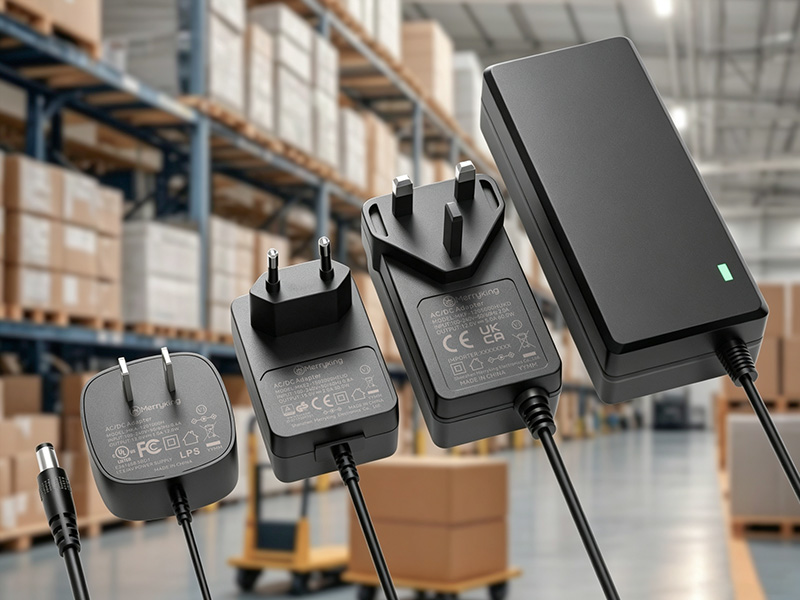
Aadapteris potentiae depends on a chain of components: the control IC, transformer core and winding wire, MOSFETs, capacitors, connectors, and the plastic housing. Any of these can become scarce, and electronics markets have seen severe shortages where control ICs and power semiconductors were allocated rather than freely sold. When a factory relies on a single supplier for a critical component, a shortage there stops the whole production line. Resilient factories maintain approved alternative suppliers for key components and validate the alternatives through the same testing that the primary parts receive, so a switch does not require a full redesign. Buyers should ask which components are single-sourced and how the factory qualifies second sources, because this directly affects your delivery risk.
Risicum supply chain etiam per inventarium administratur. Fabricae materias primas pro productis standard velociter vendentibus retinent, et producta semiperfecta aut perfecta pro ordinibus praedictis tenere possunt. Profunditas huius tamponis ex politica fabricae et tua commissione praedictionis pendet. Fabrica quae solis rationibus just-in-time utitur parum protectionis contra subitam penuriam mercati habet, dum fabrica quae componentes criticae reponit productionem continuare potest. Pro proiectis ad personam conditio alia est: componentes saepe per ordinem emuntur, ideo risicum in longiores tempora ducendi et in commissiones quantitatum fixarum transfertur. Emptores risicum minuere possunt per conlationem praedictionum volventium, per confirmationem status emptionis componentium ad tempus ponendi ordinis, et per conventum de plano tamponis repositi pro modellis repetitis alti voluminis.
Etiam cum componentes disponibiles sint, fabrica tempus promissum non servare potest, si capacitas male distribuatur. Tempora maximi usus, multi clientes qui easdem lineas contendunt, et mutationes ordinum ad extremum tempus omnia sunt quae ad tempus tradendi premunt. Matura Fabbrica adaptatorum AC haec administrat per planum productionis clarum, lineas speciales pro modellis magni voluminis, et politiam de modo quo ordines festinandi tractantur sine perturbatione obligationum confirmatarum. Tempus ducens in citatione declarandum est et post positionem ordinis confirmandum, quia numerus realis pendet a onere currenti lineae. Emptores etiam quaerere debent quomodo fabrica dilationes communicat: per relationem hebdomadariam de programma, per lapidem miliario de traditione in ordine emptionis, an per processum notificationis formalis ubi periculum identificatur. Communicatio transparens est remedium contra pericula quod fabrica praebere potest minimo pretio.
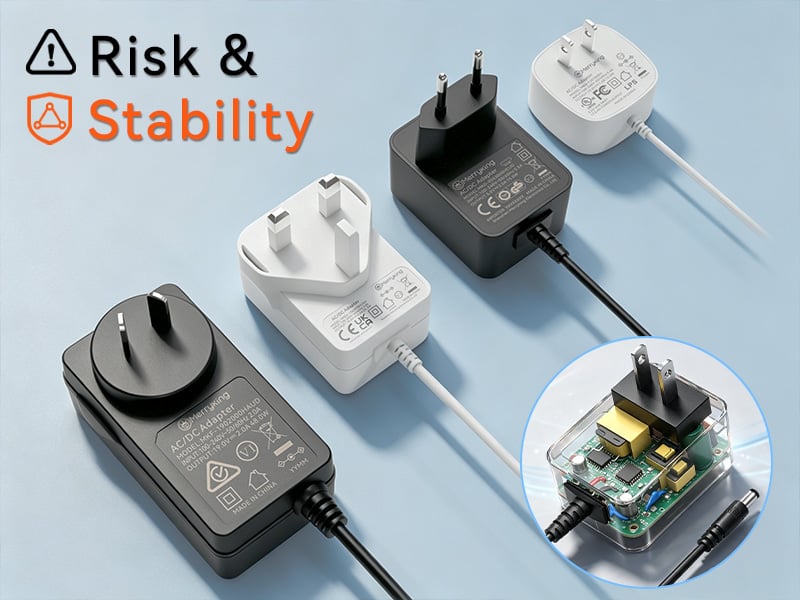
Periculum in catena suppeditationis non solum de diebus suppeditationis agit; sed etiam de qualitate omnium rerum, quae in lineam productionis intrant. Defectivus grex condensatorum aut substandardis grex transformatorum defectus creare potest, qui soli postquam adaptatores ad clientes tuos pervenerint apparent, quare inspectio materialis intrantis punctum controlis criticum est. Fabbrica disciplinata componentes intrantes probat, grees defectivos ante quam ad lineam perveniant reicit, et resultata notat ut problemata ad certum suppeditatorem et diem referri possint. Eadem ratio ad productum finitum applicatur: bene definitus testus aetatis primos defectus detegere potest, sed eius efficacia in onere, duratione, temperatura et criteriis acceptationis pendet, et examinatio AQL ante expeditionem batch statis verificat. Cum fabbricam aestimas, quaere quomodo qualitas materialis intrantis monitoratur et num records rejectionis videre possis. Fabbricae quae emptores suos ab insidiis qualitatis protegunt, saepe sunt illae quae se ipsas ad portam intrantis protegunt, quia numquam permittunt componentem defectivum in adaptatorem finitum converteri.
During a period when power control ICs were in short supply, a distributor of desktop adapters faced a dilemma. Its existing factory could not secure enough ICs for the next order and quoted a twelve-week delay. The distributor's backup factory, which had qualified a second-source IC months earlier, kept the same delivery commitment because the alternative component had already passed the same aging and safety tests. The distributor redirected the order, avoided a stock-out at its own customers, and later moved a share of its volume to the more resilient factory. This scenario illustrates a practical rule: the factory you can rely on during a shortage is the one that prepared for it before the shortage started, by qualifying alternative components, holding buffer stock, and keeping honest communication with buyers.
Before you commit to an Fabbrica adaptatorum AC , ask targeted questions about its supply chain practices. Request the list of critical components and whether second sources are qualified for each. Ask how raw material stock is managed and whether buffer stock is available for your forecast. Inquire about the factory's current line load and how it prioritizes confirmed orders when capacity tightens. Check how quality problems in incoming components are handled, because a factory that tests incoming parts and rejects defective lots protects your shipment from hidden failures. Finally, confirm the factory's policy on delivery updates and how early it notifies buyers of a schedule risk. A factory that answers these questions with documented procedures is managing supply chain risk in a way that protects your orders, not just its own margins.
Why do adapter shipments get delayed even when the factory has capacity?
Delays usually come from component availability rather than production capacity. A single critical part such as a control IC or power MOSFET can stop an entire line. Factories with qualified second sources and buffer stock are far less likely to miss a shipment.
How can I protect my orders against supply chain disruptions?
Share a rolling forecast with the factory, confirm component procurement status when you place the order, and consider buffer stock agreements for high-volume models. Diversifying across two qualified factories also reduces your exposure to a single point of failure.
What should I check in a factory audit regarding supply chain?
Look at the approved supplier list, second-source qualification records, raw material inventory levels, and the factory's procedure for handling component shortages. A documented process is stronger evidence than a verbal promise of reliability.