EN
EN



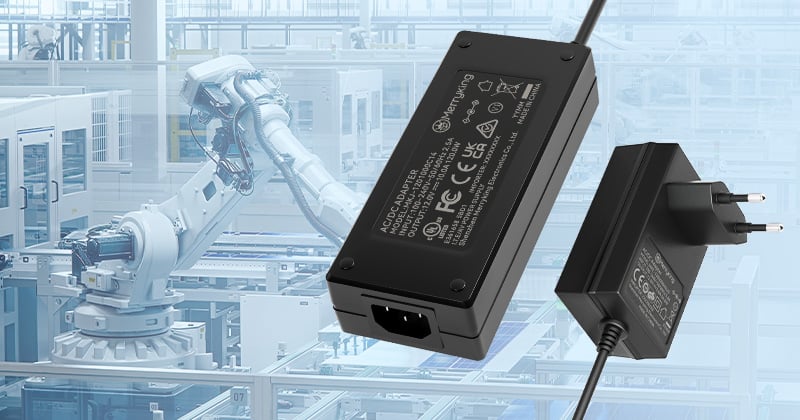
When selecting a switching adapter 100-240V 50/60Hz for industrial use, the first consideration is understanding what this universal input range actually means for your operations. In my 15 years of working with industrial power systems across manufacturing facilities in Asia and Europe, I've witnessed countless cases where engineers overlooked this fundamental specification, only to face equipment failures when deploying machinery internationally. The 100-240V range indicates the adapter can accept any AC voltage within this spectrum, automatically adjusting to local power grids whether you're operating in Japan (100V), the United States (120V), or Germany (230V). The 50/60Hz frequency compatibility ensures seamless operation across different regional standards without manual switching or configuration. This universal input capability eliminates the need for separate inventory stocks for different markets, significantly reducing procurement complexity and supply chain costs for multinational industrial operations.
Determining the correct wattage for your industrial switching adapter requires precise calculation of your equipment's power consumption patterns. Through my experience designing power systems for automated production lines, I've learned that industrial devices rarely operate at constant load levels. Consider a typical industrial automation setup: a PLC controller might draw 24W continuously, but when connected sensors, actuators, and communication modules activate simultaneously, peak demand can surge to 85W or higher. Industry best practices, supported by the Institute of Electrical and Electronics Engineers (IEEE), recommend selecting an adapter with at least 20-30% capacity above your maximum calculated load. For instance, if your industrial equipment requires 96W during peak operation, choosing a 120W adapter (such as Merryking's 24V 5A model) provides necessary headroom for startup surges and prevents thermal stress that shortens component lifespan. Additionally, verify the adapter's continuous duty rating—some manufacturers specify peak ratings that cannot be sustained long-term without overheating or efficiency degradation.
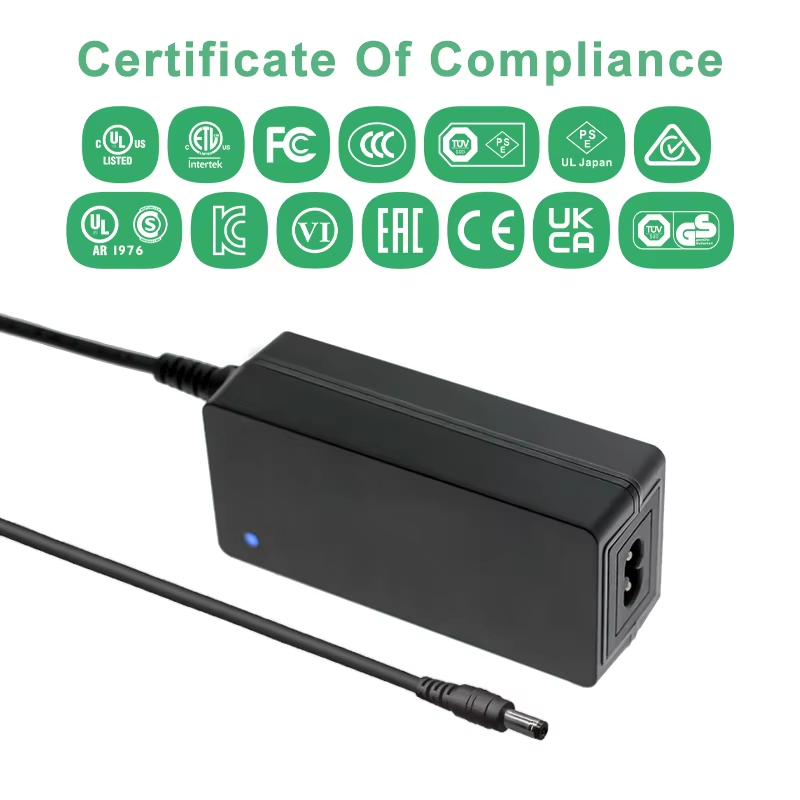
Industrial environments demand power supplies that meet rigorous safety and electromagnetic compatibility standards. When assessing a switching adapter 100-240V 50/60Hz for industrial use, look for comprehensive certification portfolios including UL (Underwriters Laboratories) listing for North American markets, CE marking for European Economic Area compliance, and CCC certification for Chinese industrial applications. These certifications aren't merely bureaucratic checkboxes—they represent independent verification that the adapter has undergone thermal testing, dielectric withstand voltage testing, and fault condition analysis. Dr. Robert Smith, a senior power electronics engineer at the National Institute of Standards and Technology (NIST), emphasizes that industrial adapters must also comply with IEC 62368-1 for audio/video and information technology equipment safety, which has replaced older IEC 60950 and IEC 60065 standards. Furthermore, industrial applications require attention to electromagnetic interference (EMI) compliance—ensure the adapter meets CISPR 32/EN 55032 Class B emissions standards to prevent interference with sensitive control systems and measurement equipment commonly found in industrial settings.
Industrial facilities present challenging environmental conditions that consumer-grade power supplies cannot withstand. Temperature fluctuations, vibration, humidity, and dust exposure are daily realities in manufacturing environments. When choosing an industrial switching adapter, examine the operating temperature range specifications carefully. Quality industrial adapters typically operate reliably from -20°C to +60°C or wider ranges, whereas commercial units often fail above 40°C ambient temperatures. In a recent project involving outdoor industrial kiosks in Arizona, we deployed adapters with 80°C maximum ratings because internal enclosure temperatures regularly exceeded 50°C during summer months. Additionally, consider ingress protection (IP) ratings if the adapter will face dust or moisture exposure—IP54 or higher ratings provide necessary protection for harsh industrial environments. Vibration resistance is another critical factor; adapters mounted on moving machinery or near heavy equipment should comply with IEC 60068-2-6 vibration testing standards to ensure long-term reliability under mechanical stress.
The physical interface between your switching adapter 100-240V 50/60Hz and industrial equipment significantly impacts installation efficiency and maintenance accessibility. Merryking's desktop adapter series offers multiple AC inlet configurations—C6 (cloverleaf), C8 (figure-8), and C14 (IEC 60320 standard)—allowing flexibility based on your facility's existing power infrastructure and regional plug standards. For industrial deployments, I recommend C14 inlets for equipment requiring grounded connections and higher current capacity, as they support up to 10A or 15A depending on configuration. The DC output connector selection is equally important; common industrial options include 5.5mm x 2.1mm or 2.5mm barrel connectors, screw terminal blocks for permanent installations, or locking DC plugs that prevent accidental disconnection. When specifying cable lengths, account for voltage drop over distance—24V systems can tolerate longer cable runs than 12V systems due to lower current requirements for equivalent power delivery. For a 360W industrial application at 24V, current draw is 15A, whereas the same power at 12V requires 30A, necessitating heavier gauge wiring and experiencing greater voltage drop over equivalent distances.
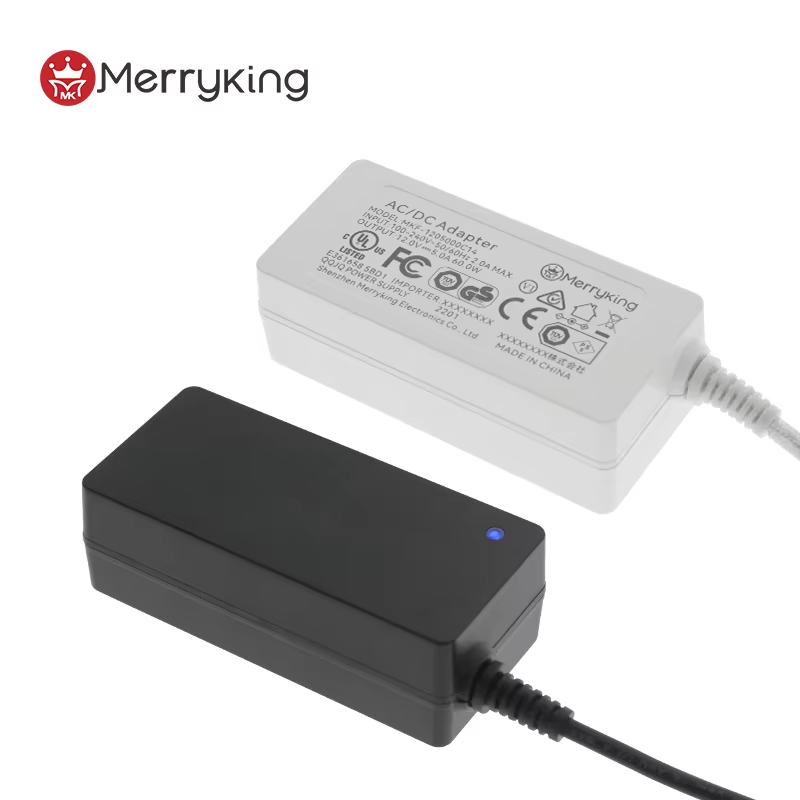
Finally, evaluate the manufacturer's reputation and support infrastructure when sourcing industrial switching adapters. Unlike consumer electronics where adapter failure is merely inconvenient, industrial power supply failures can halt production lines, corrupt data, or damage expensive machinery. Investigate the Mean Time Between Failures (MTBF) ratings—quality industrial adapters typically specify 100,000 hours or higher at full load and 25°C ambient temperature. Request detailed failure mode analysis documentation to understand how the adapter behaves under fault conditions; reputable manufacturers design protection features including over-voltage protection (OVP), over-current protection (OCP), short-circuit protection (SCP), and over-temperature protection (OTP) that safeguard both the adapter and connected equipment. Additionally, verify warranty terms and technical support availability—industrial operations require rapid replacement parts availability and engineering consultation when integrating power supplies into complex systems. Establishing relationships with manufacturers like Merryking, who specialize in industrial power solutions and offer customization options for voltage, connector types, and enclosure designs, provides long-term operational security and supply chain stability for critical industrial applications.