EN
EN



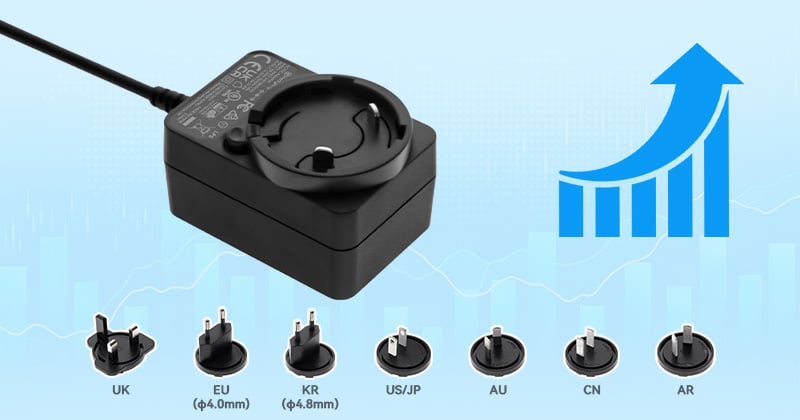
The global shift toward energy conservation has placed a spotlight on the humble power brick. Whether you are charging a laptop or powering industrial LED strips, you have likely noticed the label "Switching Adapter 100-240V 50/60Hz." But what does this mean for your electricity bill and device longevity? In simple terms, switching adapter efficiency refers to the ratio of output power to input power. High-quality switching adapters are designed to minimize "phantom load"—the energy wasted as heat when the device is plugged in but not actively charging a battery. Modern units typically achieve between 85% and 95% efficiency. This high performance is a result of high-frequency switching technology, which allows the transformer to be smaller and lose less energy compared to the bulky, heavy linear adapters used decades ago.
To grasp why a switching adapter 100-240V 50/60Hz is so effective, we must look at the internal mechanism. Unlike linear supplies that dissipate excess voltage as heat through a regulator, a switching adapter uses a pulse-width modulation (PWM) controller. This controller "switches" the input voltage on and off thousands of times per second. By adjusting the "on" time versus the "off" time, the adapter provides a precise output voltage with minimal waste. At Merryking, we utilize advanced semiconductor components that reduce switching losses. This expertise ensures that our 100-240V adapters can handle a wide range of input frequencies (50Hz to 60Hz) without a drop in performance, making them truly "universal" for international travel and global industrial exports.
The "100-240V" rating is not just about convenience; it is a hallmark of sophisticated engineering. A high-efficiency switching adapter must maintain its performance levels whether it is plugged into a 110V socket in North America or a 230V socket in Europe. Achieving consistent switching adapter efficiency across this wide voltage swing requires a robust "Active Power Factor Correction" (PFC) circuit in higher-wattage models. This technology aligns the current wave with the voltage wave, reducing the load on the electrical grid and ensuring the adapter operates at peak capability. For businesses, this means less heat generation in server rooms or factory floors, which directly translates to a longer lifespan for the power supply and the connected equipment.
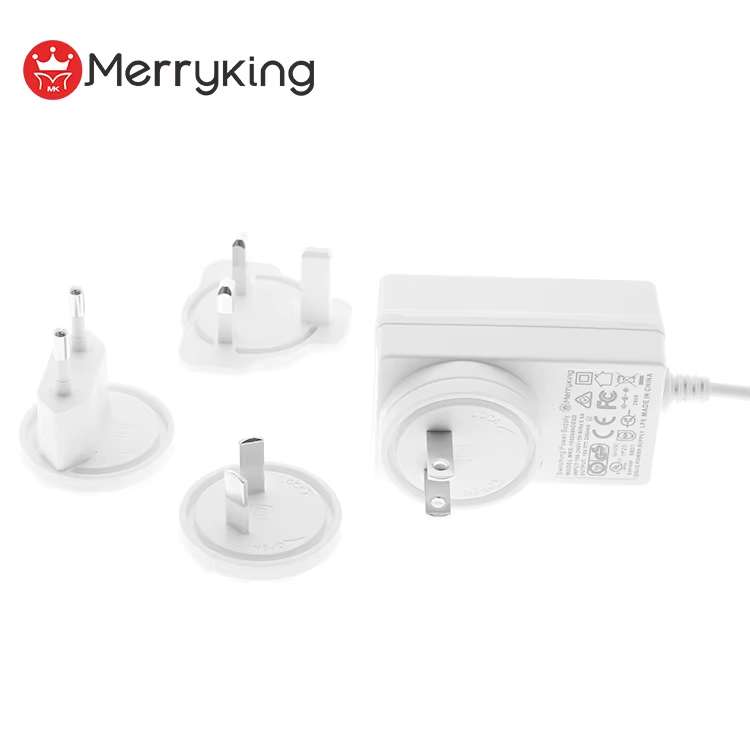
When evaluating switching adapter efficiency engineers look toward international benchmarks like the Department of Energy (DOE) Level VI and the European Union’s Code of Conduct (CoC) Tier 2. These standards mandate that a switching adapter 100-240V 50/60Hz must consume less than 0.1W or 0.075W during "no-load" conditions. During our production testing at Merryking, we simulate various load conditions—25%, 50%, 75%, and 100%—to ensure the average efficiency meets these rigorous green energy requirements. By choosing a Level VI compliant adapter, consumers can save significant cumulative energy over the product's life cycle. This transparency in data is why professional buyers prioritize certified manufacturers who can provide documented efficiency curves and thermal testing reports.
From a practical perspective, high switching adapter efficiency means a cooler-to-the-touch product. If an adapter is inefficient, the "lost" electricity escapes as heat. Excessive heat is the primary enemy of electronic capacitors, often leading to the premature failure of the power brick. A well-designed switching adapter 100-240V 50/60Hz stays cool even under heavy use, such as powering high-draw gaming peripherals or medical monitors. Furthermore, because these units are more efficient, they can be designed in smaller, more aesthetic enclosures without the need for large internal heat sinks. This portability combined with "set-and-forget" reliability makes them the gold standard for modern electronics.
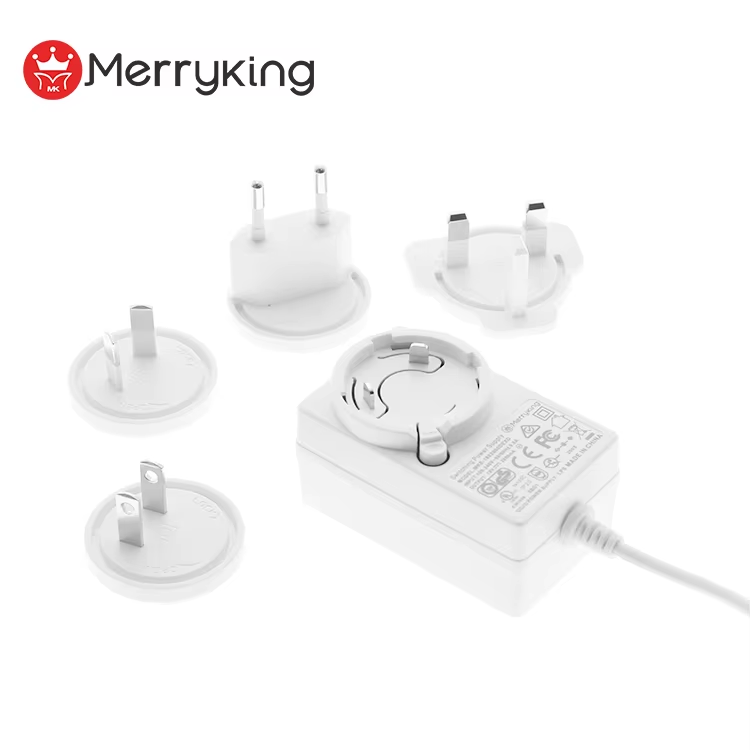
The final piece of the efficiency puzzle lies in the quality of the internal components—specifically the copper windings in the transformer and the ESR (Equivalent Series Resistance) of the capacitors. Low-quality adapters often use thinner wire or cheaper alloys that increase resistance and lower the overall switching adapter efficiency. In our manufacturing process, we prioritize high-grade flame-retardant PC materials for the shell and high-conductivity components for the circuit board. This attention to detail ensures that the switching adapter 100-240V 50/60Hz provides stable, ripple-free power. Investing in a high-efficiency power solution is not just an environmental choice; it is a protective measure for your high-value electronics against voltage spikes and thermal degradation.